LINEAGE
Mahāyoga
Also known as Kundalinī Mahāyoga, the work weaves together many streams of yoga practice and philosophy, all rooted in the grace and lived wisdom of the great siddha masters.
Mahāyoga · महायोग
Nine streams, one yoga
- Haṭha Yoga: Āsana, prāṇāyāma, working with chakras and the five sheaths of the body.
- Dhyāna Yoga: Meditation in all of its forms.
- Bhakti Yoga: Our relationship with the Divine and devotional practices.
- Jñāna Yoga: Cultivating wisdom and studying wisdom teachings.
- Mantra Yoga: Working with mantra and the power of language.
- Dharma Yoga: Our life calling, living in harmony with life.
- Karma Yoga: Our actions, dealing with our karma, and sacred service or sevā.
- Kula: Sacred community, including our teachers.
- Anugraha: Guru’s grace, the transmission of shakti from the masters.
The transmission
The Mahāyoga Lineage
Harshada is a modern representative of a very old spiritual lineage originating in ancient India. He refers to it as the Mahāyoga Lineage. That's not an official name, but rather a reference to the Kundalinī Mahāyoga taught by the masters in his lineage for millenia.
Harshada was initiated by Gurumāyī Chidvilāsānanda in 1992. After that, Harshada spent many years serving and training under Gurumāyī in her āshrams in India, the U.S. and Australia.
During those years he was mentored by several teachers in that lineage, most notably Swāmī Mādhavānanda, Swāmī Umeshānanda, Swāmī Shāntānanda, Swāmī Durgānanda (aka Sally Kempton), and Rām Butler.
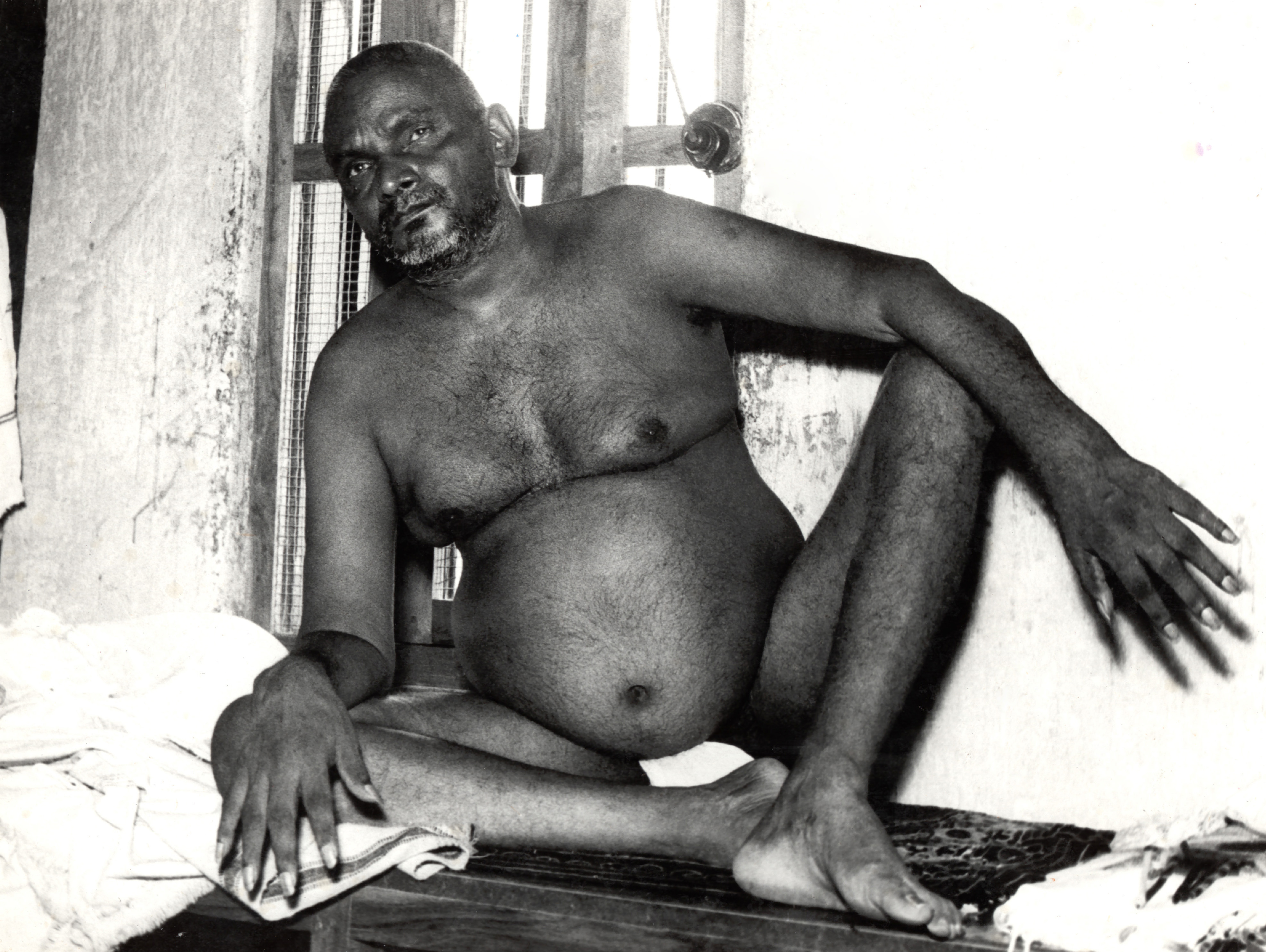
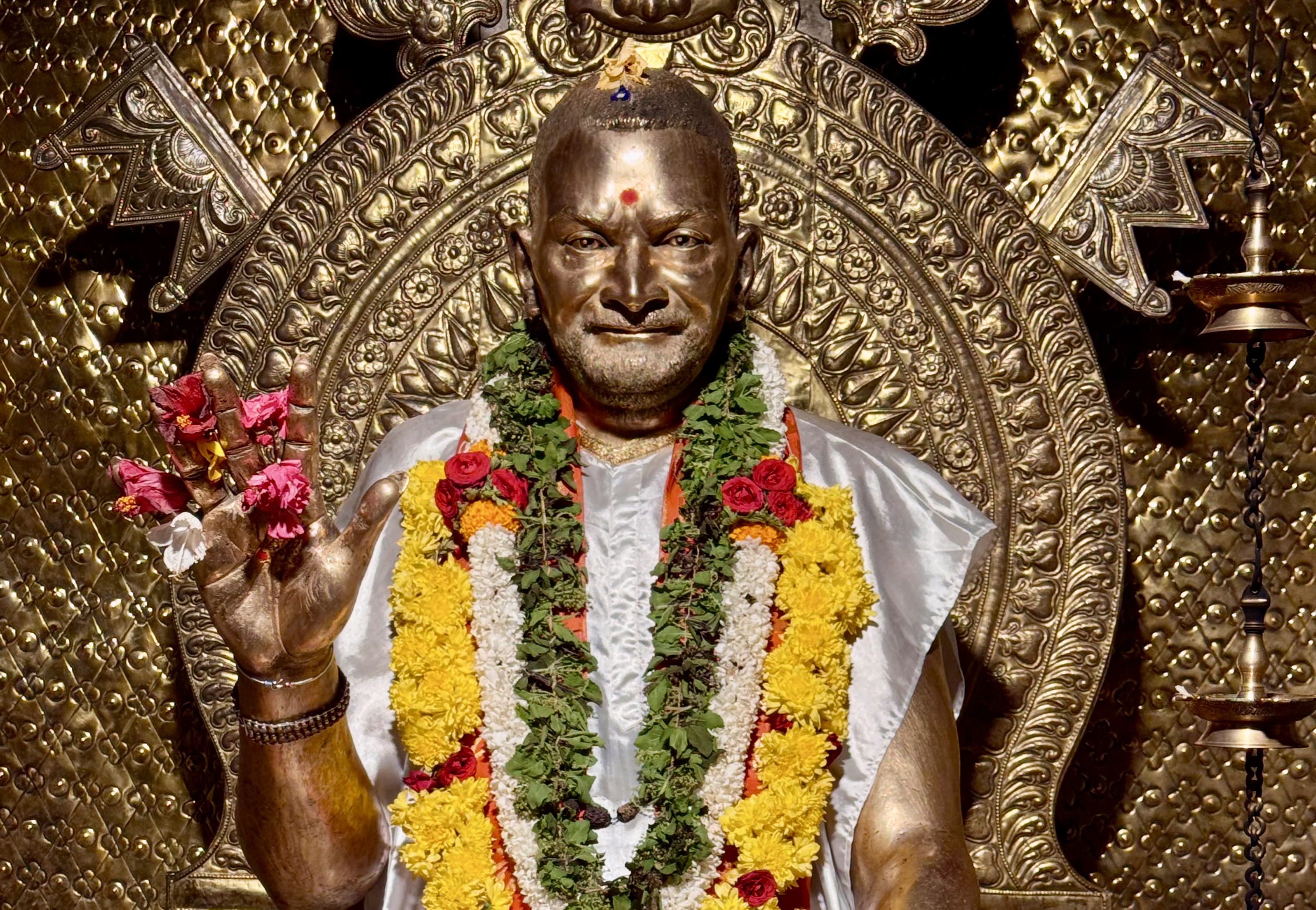
After separating from Gurumāyī's āshram in 2004, Harshada went deeper into the roots of the lineage and connected more directly with the modern root guru of the lineage: Bhagawān Nityānanda of Ganeshpurī.
Nityānanda was an avadhūta— a being who was beyond social convention. He didn't teach in any official way and claimed no authority and also conferred no official authority on his disciples to carry on his lineage.
His main teaching was his state of deep absorption in the Absolute and the energy he transmitted to anyone who came into contact with him. He had countless devotees and many disciples.
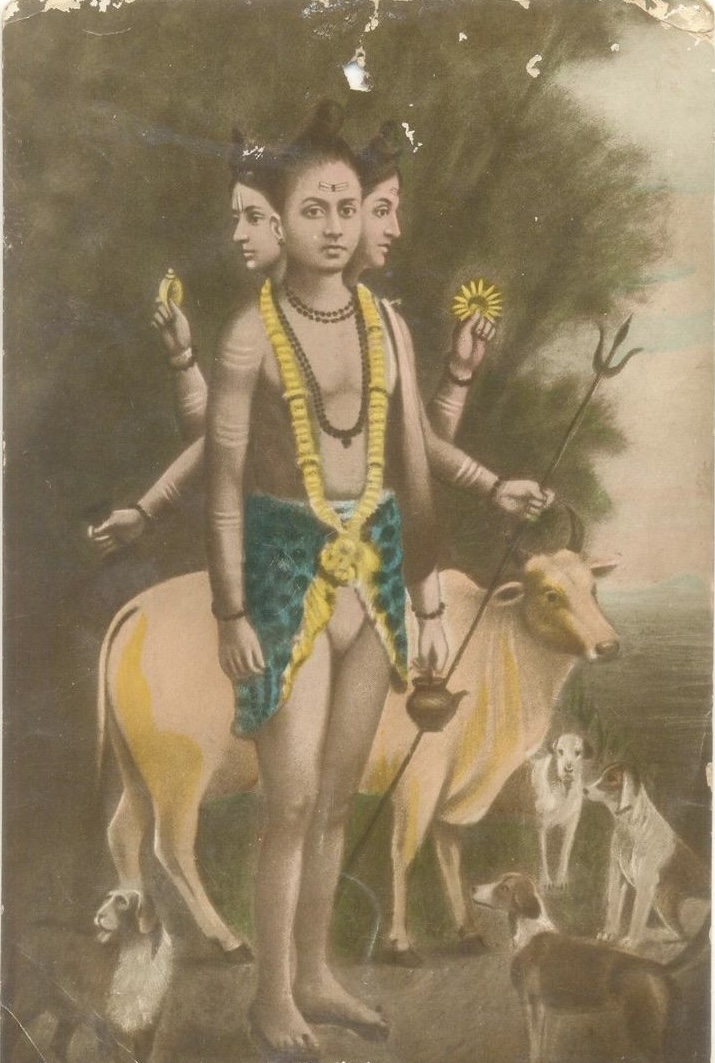
Nityānanda is thought to represent the lineage of Dattātreya and also connected to the mysterious Nātha Sampradāya which connects back to Dattātreya and also the Ādinātha, Lord Shiva.
Mahāyoga
The Nāthas
Mahāyoga, also known as Kundalinī Mahāyoga, is the blend of teachings and practices taught by Harshada and other teachers that come from his lineage.
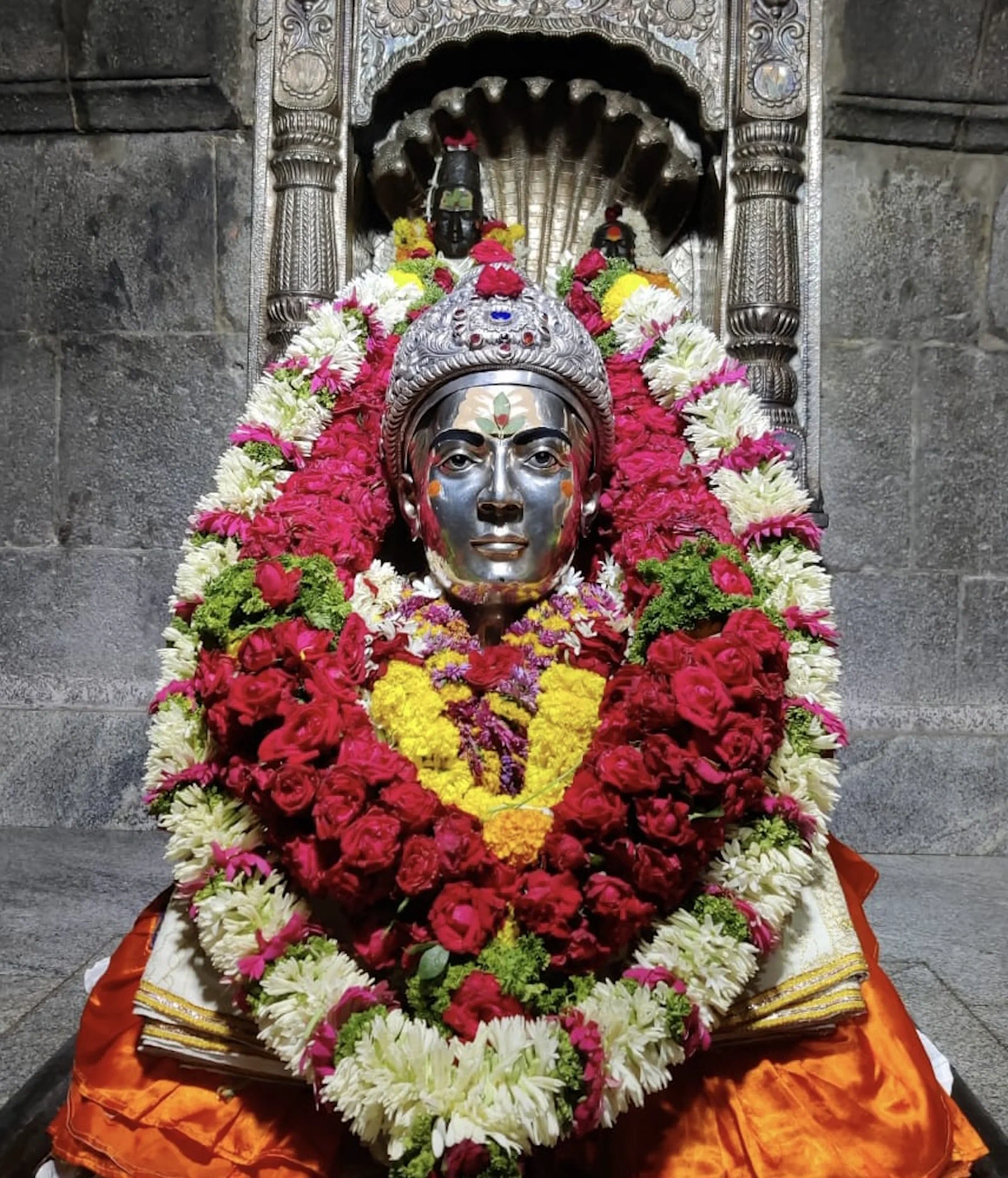
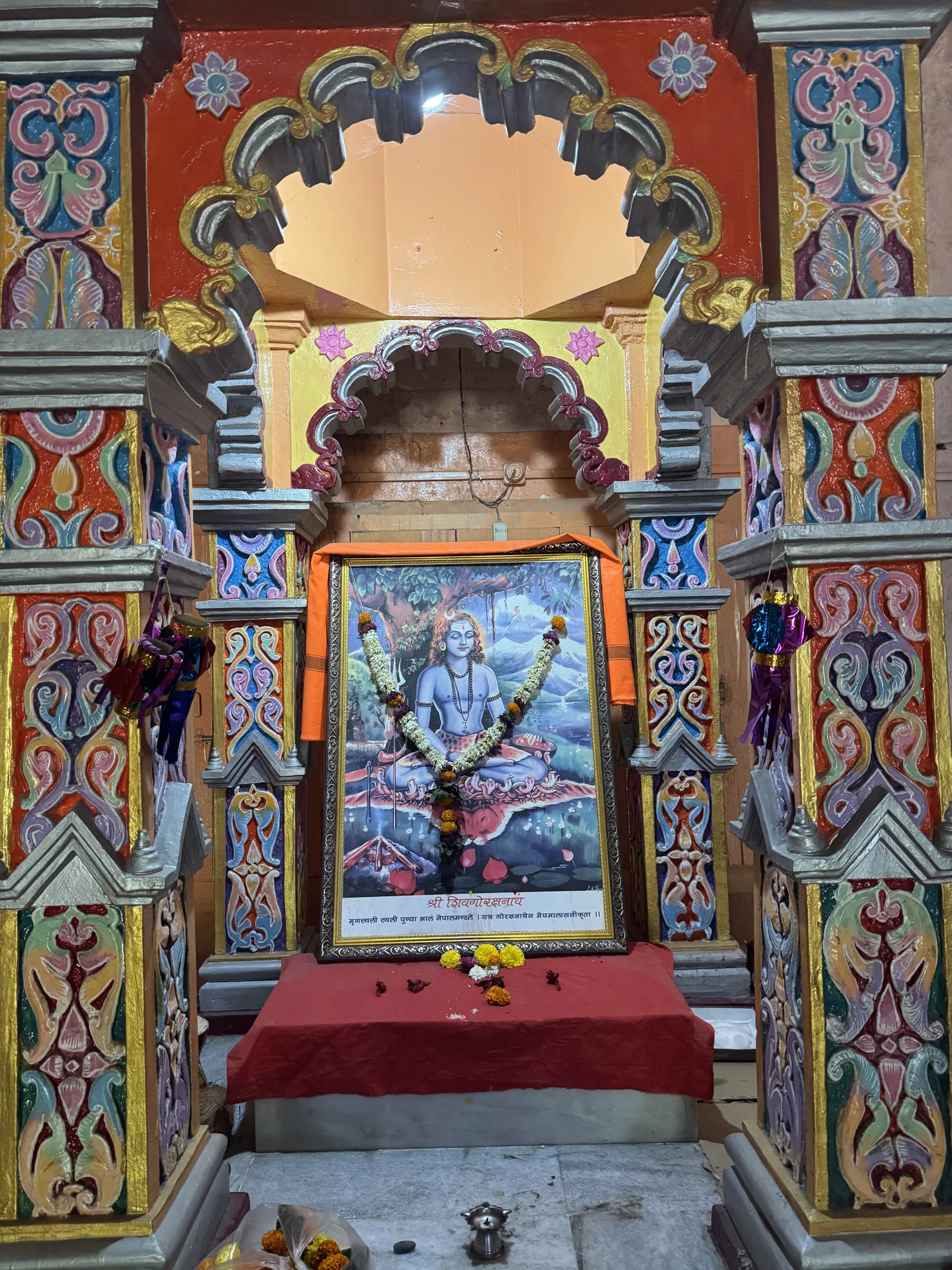
The Nāthas, beginning with Matsyendranātha and Gorakshanātha, are our forefathers in Mahāyoga. Their fellow Nātha, Gahininātha, was the Guru of Nirvittinātha, who was the Guru of Jnāneshwar Mahārāj. In the 20th Century, this mysterious lineage surfaced in great beings like our Guru Bhagawān Nityānanda, Shirdī Sāī Bābā, and others.
The foundation of Mahāyoga is anugraha, the guru's grace, and the awakening of the Kundalinī Shakti, the indwelling spiritual intelligence that lies within everyone.
The practices of Mahāyoga are all to facilitate the cultivation, transmission, and assimilation of the awakened Kundalinī Shakti.
India pilgrimage retreat
Experience the lineage in India.
Travel to the sacred places of Bhagawān Nityānanda and experience the living lineage through pilgrimage, practice, and community.
Explore the India retreat ↗